
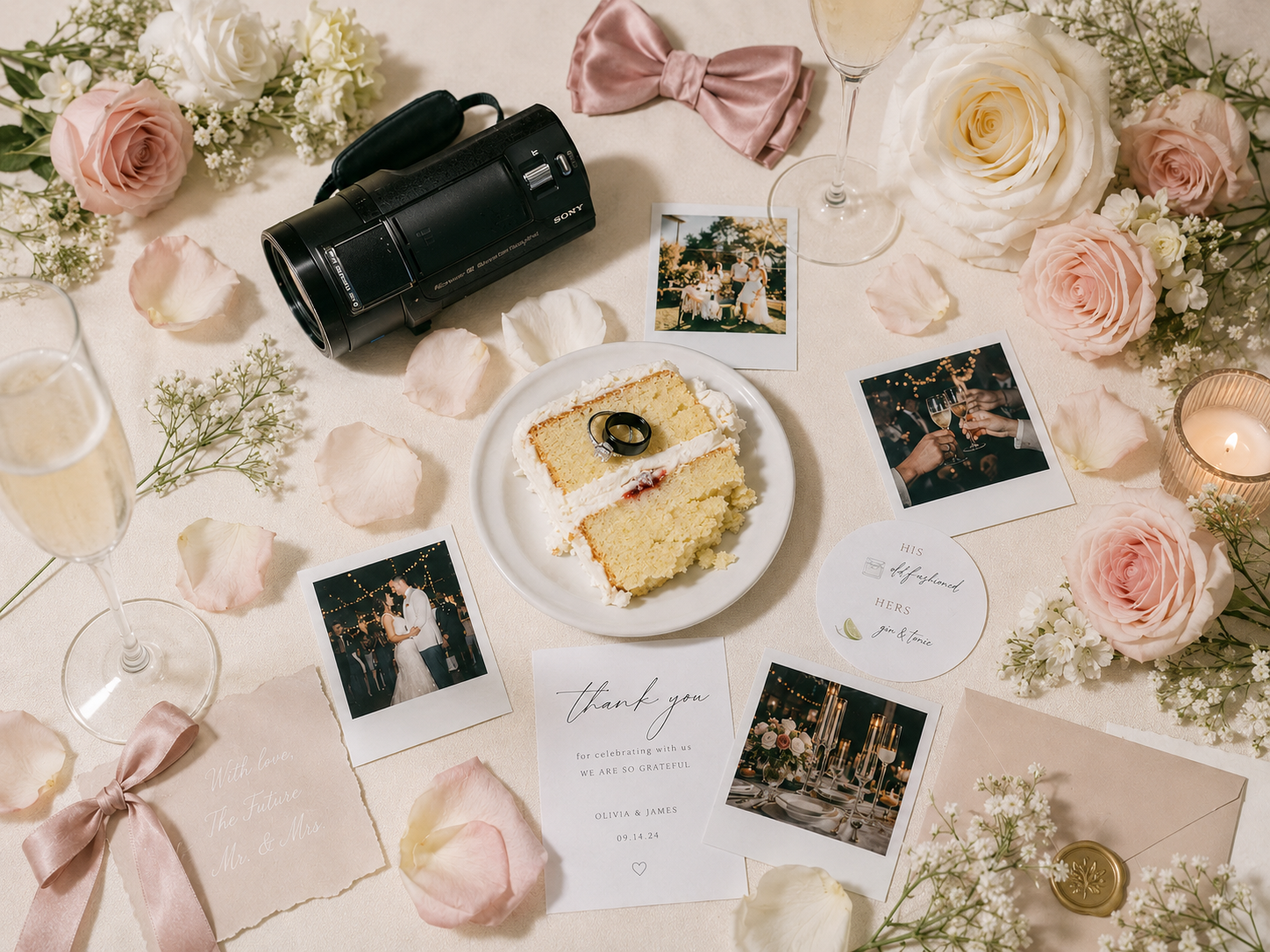
For years, wedding video has had a familiar language: sweeping venue shots, slow-motion movement, aerial footage, the day shaped into something cinematic.
That kind of film still has its place. For many couples, it is exactly what they want.
But lately, camcorders have started turning up at weddings for a different reason. Simpler and less controlled, they offer a quieter answer to the highly produced wedding film. They are not trying to make the day look bigger than it was. They are trying to bring back what it felt like to be there.
The appeal is partly nostalgic. The shape of the camera, the flip-out screen, the feeling of family home videos. But nostalgia is only the surface of it. What couples seem to be responding to is not just how camcorder footage looks, but where it comes from.
The camera is in the hands of the guests.
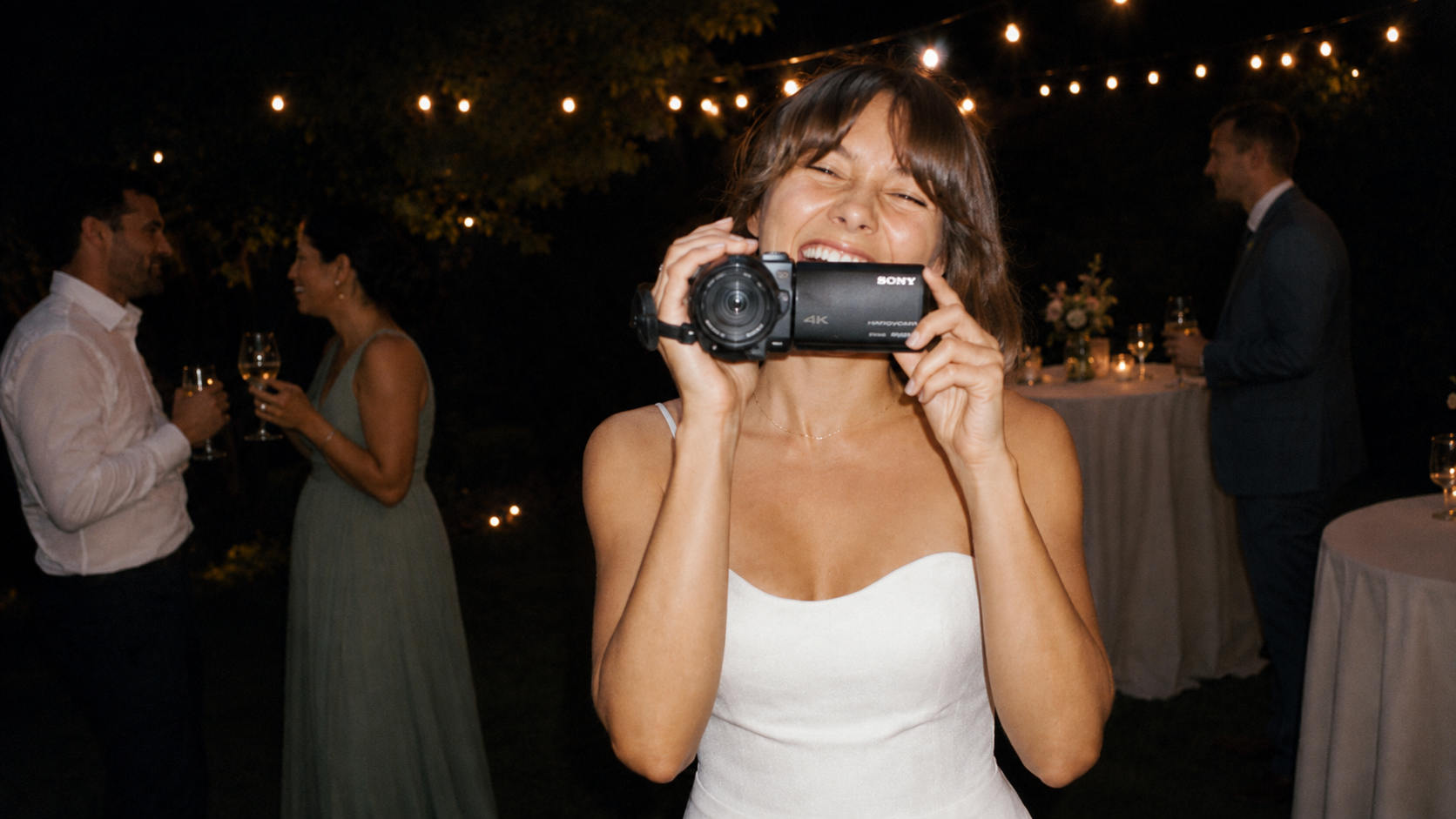
That changes the footage. People behave differently when they are being filmed by someone familiar. The lens sits closer to the jokes, the conversations, the small pieces of the day that happen away from the main camera.
The camcorder trend is not a rejection of professional photography or videography. It is a desire for another record of the day. One that feels less like coverage and more like being handed back a piece of the room.
Why polished wedding videos are not for everyone
Part of it is fatigue.
After years of slow-motion edits and cinematic wedding films, something less polished can feel more personal. More like watching a home video than a film trailer.
There is a funny contradiction in it. The same couples with 4K phones in every pocket are drawn to footage that feels softer and less perfect. But that does not mean they are rejecting quality. They are rejecting the feeling that every part of the day has to look like content.
That is where camcorders make sense.
They sit slightly outside the language of modern wedding media. They are not as instant as a phone, not as formal as a professional camera, and not really built for performance. Someone picks one up, films what is happening in front of them, and hands it on.
The result can feel more human because it is allowed to be uneven. A clip can be shaky. Someone can talk over the moment. The camera can move too late or hold on too long.
That imperfection is not the weakness of the format.
It is the reason people trust it.
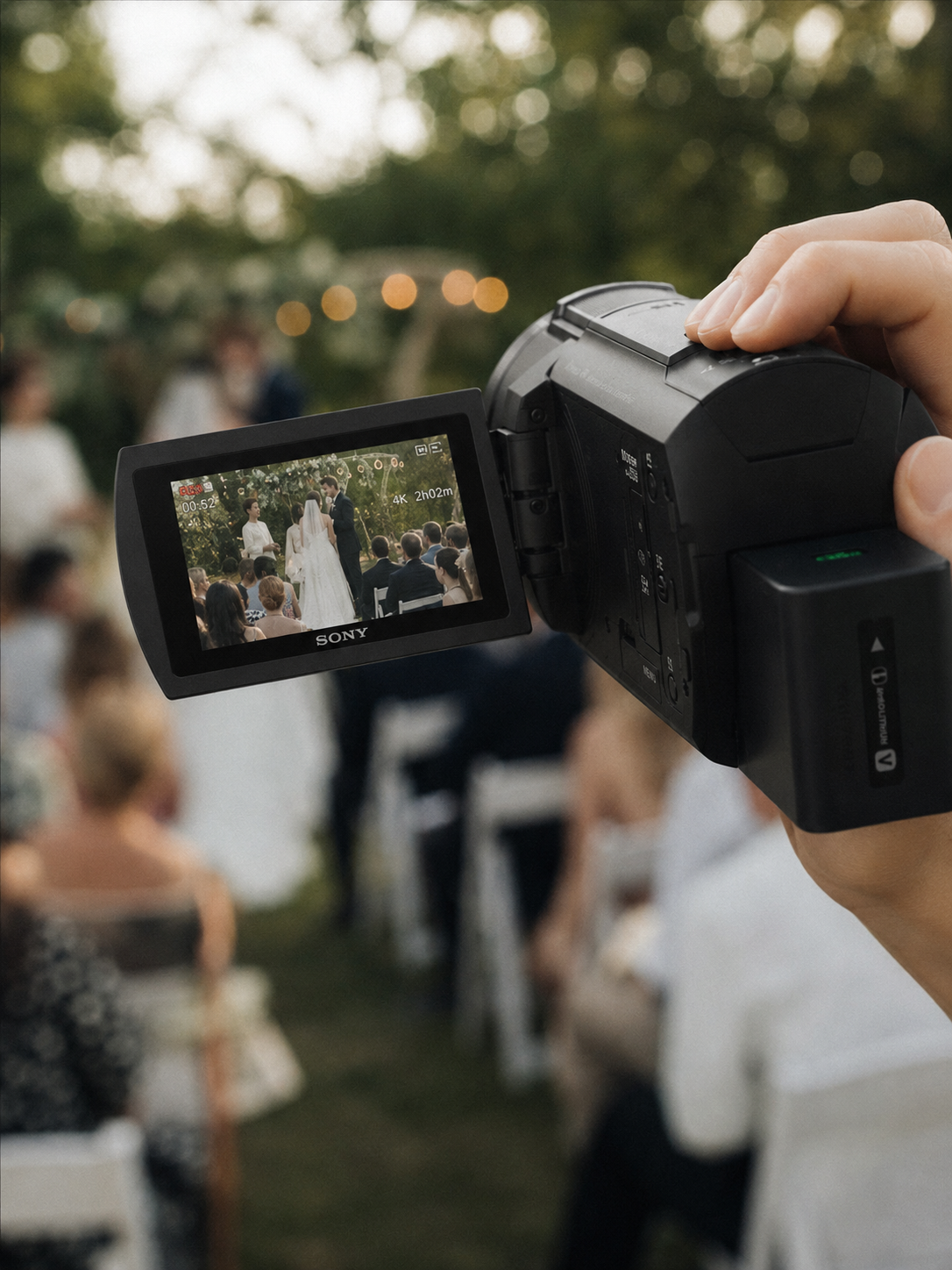
Why phones do not feel the same
Most weddings are already full of phone footage.
There will be clips from the ceremony, the first dance, the drinks, the speeches, the end of the night. Some will be saved. Some will disappear into group chats. Some will sit on a camera roll until someone remembers to send them.
A camcorder feels different because it has one job.
It is not competing with messages, notifications or the urge to post. It is not being used for ten other things at the same time. It is there to film the wedding, and that gives people a different relationship to it.
The footage feels more intentional than a phone clip, but less formal than a professional camera.
That is a useful middle ground.
Is a camcorder wedding video cheaper than traditional videography?
Often, yes.
Cost is one of the reasons couples start looking at camcorders.
Traditional wedding videography can be expensive, and often for good reason. A professional videographer brings experience, equipment, audio, editing, backups and a clear plan for the day. If you want clean ceremony coverage, polished speeches, drone footage and a cinematic film, that kind of service makes sense.
But not every couple wants that kind of film.
A camcorder approach usually costs less because it works differently. There is no full video crew on site. The guests do the filming, the camera moves through the wedding more casually, and the edit is built from the footage that comes back.
For couples watching the budget, the lower cost matters.
Where Super 8 fits in
Super 8 sits in its own category.
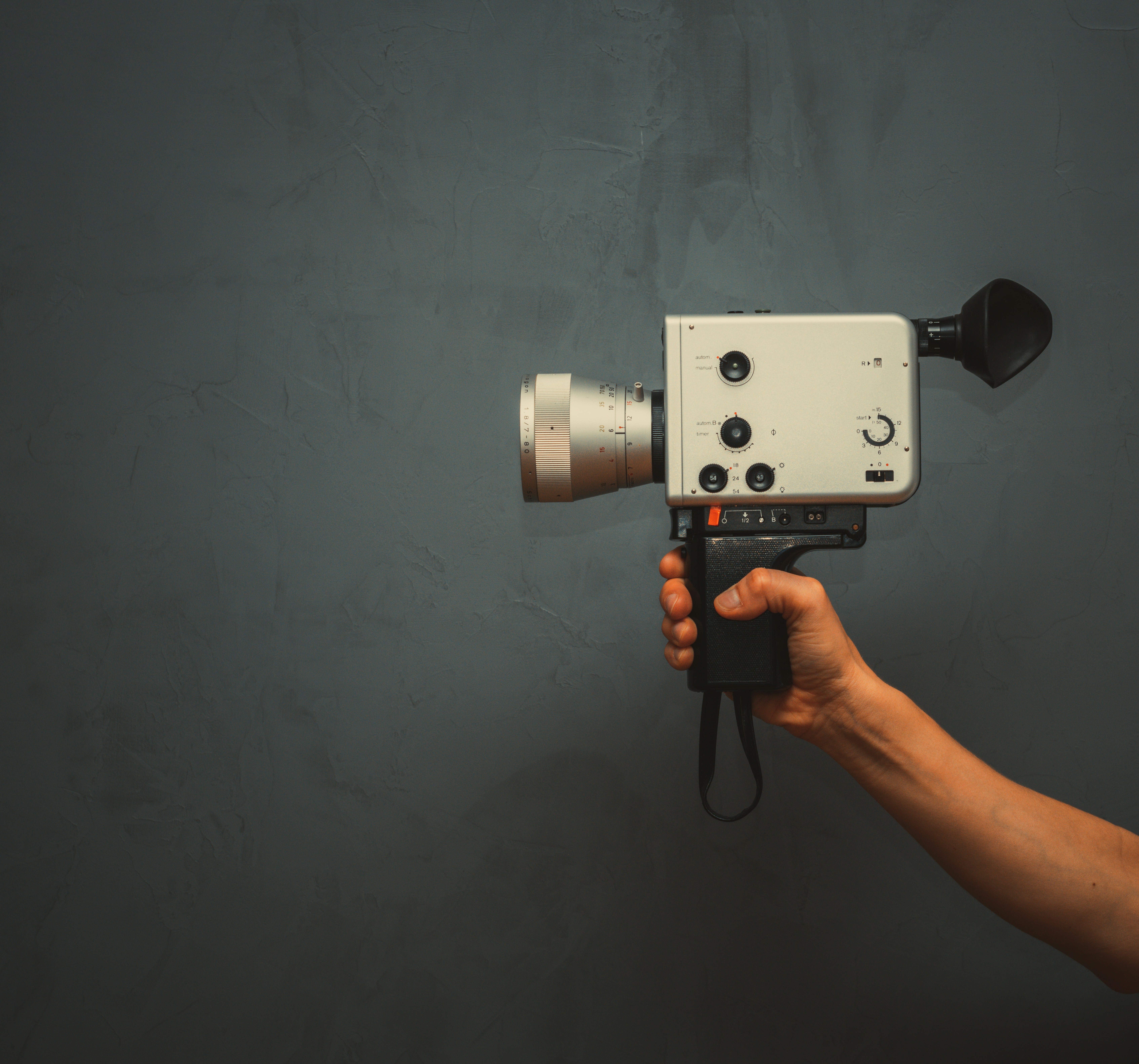
It has a beautiful look, and there is a reason couples are drawn to it. Real film has texture. It feels physical in a way digital footage often does not. It also comes with its own process: film stock, processing, scanning, shorter running times and, in many cases, no recorded sound.
That makes Super 8 a lovely option for some couples, especially as an add-on. But it is not the same thing as a guest-filmed camcorder video.
Super 8 is usually about the look.
A camcorder is about the point of view.
Is a wedding camcorder right for your wedding?
A camcorder wedding video is a strong fit if you are on a budget or you want the day to feel close, personal and guest-led. It is less about perfect coverage and more about the view from inside the wedding: the table messages, the in-jokes, the parts of the day that happen when no one is being directed.
That makes it a genuine creative choice, not a compromise. But it is not for everyone.
A traditional videographer is still the right choice if you want the clean ceremony coverage, wide drone shots, slow motion and a polished cinematic film of the day.
The quality does not have to be poor. Modern 4K camcorders can capture clean footage and quality native audio, which gives the editor a lot to work with while still keeping the home-video feeling.
So ask yourself one question before deciding. Do you want your wedding video to look like a movie, or to feel like a memory?
For couples who want that feeling without organising the cameras, collecting the files and editing the footage themselves, rawframes offers wedding camcorder rental and editing across New Zealand.
Frequently Asked Questions
Is a camcorder wedding video cheaper than a traditional videographer?
Usually, yes. A camcorder wedding video often costs less because there is no full video crew filming on the day. Your guests capture the footage, then the edit is created afterwards. Traditional videography costs more because you are paying for professional coverage, audio, equipment, editing and a planned filming approach.
Can a camcorder replace a wedding videographer?
For some couples, yes. For others, it works better as an extra layer alongside a photographer or videographer. A camcorder is best if you want a guest-led wedding film with the feeling of a home video. A traditional videographer is better if you want a polished cinematic film with drone shots and a produced feel.
What is the difference between a wedding camcorder and Super 8?
Super 8 is real film. It has a beautiful texture, but it usually involves film stock, processing, scanning, shorter recording times and often no recorded sound. A camcorder is easy to use, records digitally, captures native audio and is easier for guests to use throughout the day. Super 8 is mostly about the look. A camcorder is more about the point of view.
Is camcorder wedding footage low quality?
Not necessarily. Modern 4K camcorders can capture clean footage and good native audio. The home-video feeling comes from the way the camera is used: passed between guests, filmed from inside the day, and held by people who know you. It does not need to come from poor-quality gear.
Why not just use phone footage?
Phone footage can be great, but it often ends up scattered across camera rolls, messages and group chats. A camcorder gives the filming a clear purpose. It is there for the wedding, not for notifications or quick social clips. The footage tends to feel more intentional than phone clips, but less formal than a professional camera.
Who is a camcorder wedding video best for?
A camcorder wedding video is best for couples who want something personal, relaxed and guest-led. It suits couples who like the feeling of old home videos, want the day captured from their guests' perspective, or want a more affordable alternative to traditional wedding videography.